วิธีลด AOI False Call: สาเหตุที่แท้จริงและแนวทางแก้ไข
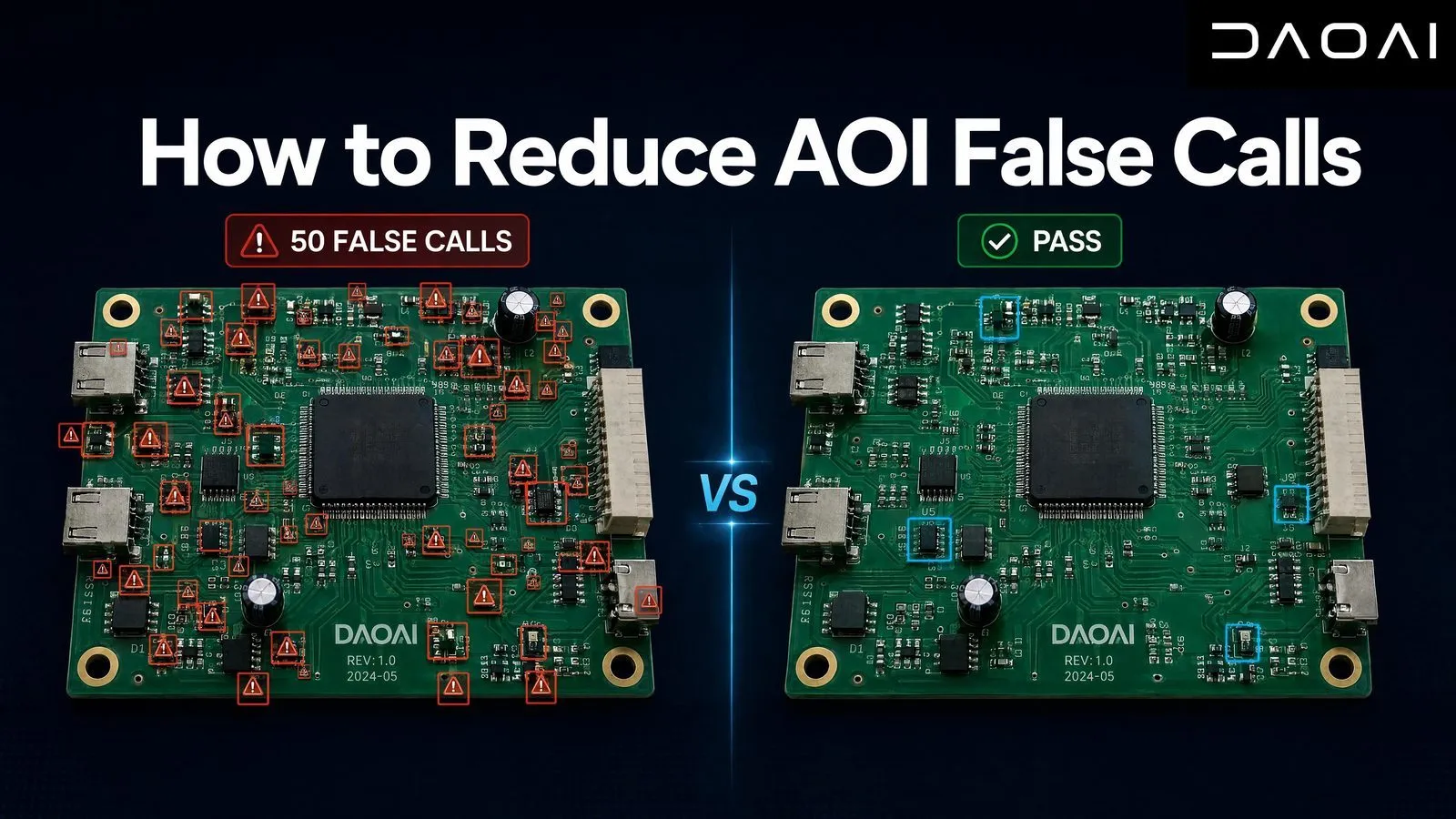
AOI False Call แบบไหนที่จูนแก้ได้ แบบไหนที่ติดอยู่ใต้ระดับ Threshold และวิธีแยกความแตกต่างให้ออก ก่อนที่คุณจะต้องเสียค่าใช้จ่ายกับชั่วโมงปรับจูนเพิ่มอีกรอบ
28 กรกฎาคม 2569
แยกขั้นตอนการเตรียมโปรแกรม การตรวจสอบบอร์ดแรก และการปล่อยสู่การผลิต เพื่อระบุจุดล่าช้าที่แท้จริงในสายการผลิต SMT แบบ High Mix
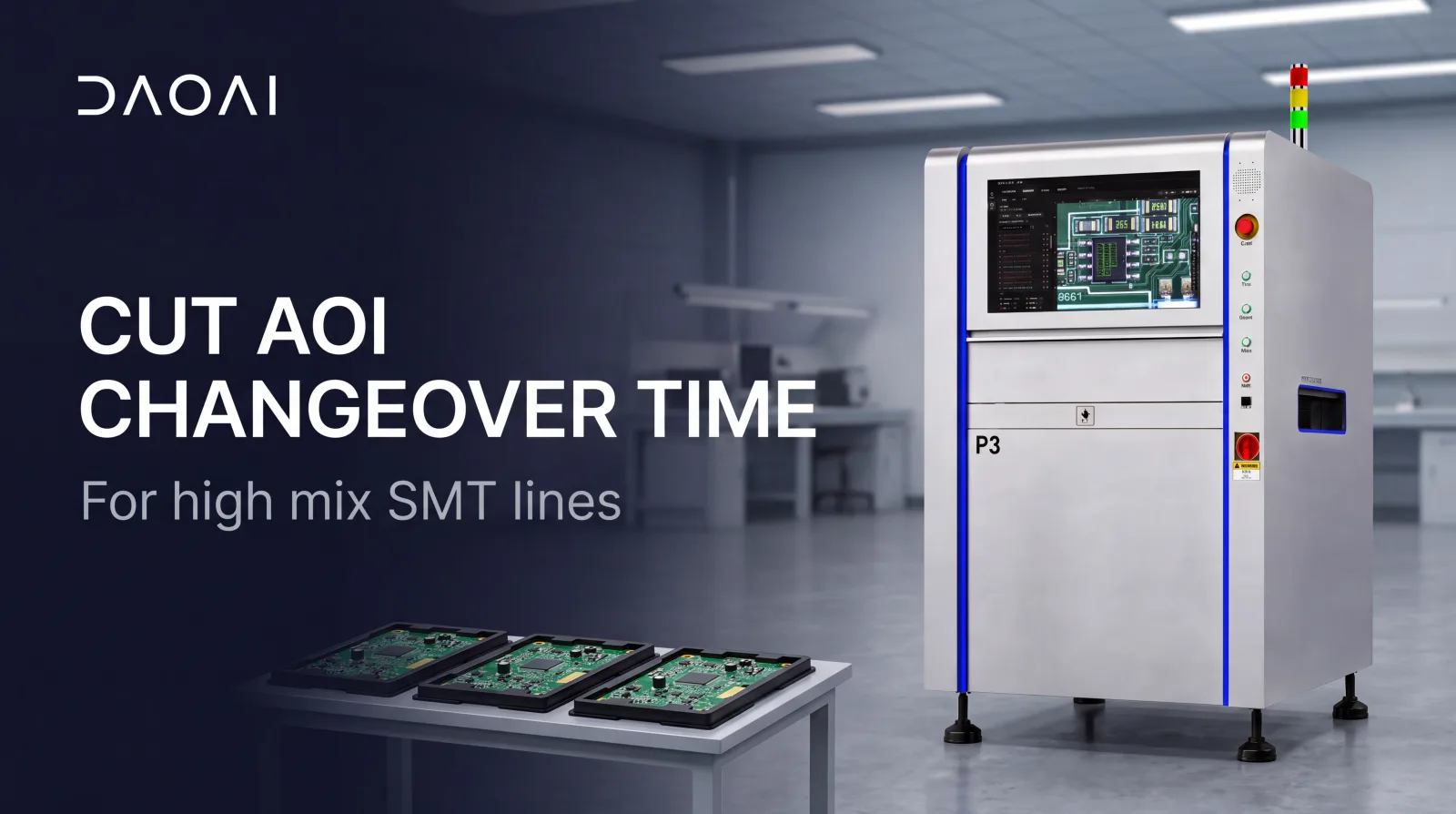
งานถัดไปถูกโหลดแล้ว แต่สายการผลิตยังคงต้องรอ ต้องมีคนยืนยัน revision ของบอร์ด panel แรกสร้าง call ที่ต้องรอการตรวจสอบ ส่วนผู้มีอำนาจ release งานก็กำลังติดภารกิจอื่นอยู่
เวลาเขียนโปรแกรมที่สั้นสามารถเกิดขึ้นร่วมกับเวลา changeover ของการผลิตที่ยาวนานได้ การจะลดช่องว่างนี้ ให้วัดเนื้องานระหว่างบอร์ดชิ้นสุดท้ายที่ผ่านของงานเดิมไปจนถึงการ release งานใหม่ จากนั้นให้แยกส่วนงานที่จำเป็นต้องใช้เครื่องจักรออกจากส่วนงานที่สามารถเตรียมพร้อมไว้ล่วงหน้าก่อนที่เครื่องจะหยุด
คู่มือนี้เน้นไปที่ขั้นตอนการส่งต่องานในส่วนของ AOI โดยมีเวิร์กชีตที่นำไปใช้ได้จริง ไม่ใช่มาตรฐานการยอมรับแบบครอบจักรวาล แผนคุณภาพของคุณยังคงเป็นตัวกำหนดความครอบคลุมของการตรวจสอบ ตัวอย่างชิ้นงานที่ต้องใช้ และผู้มีอำนาจในการ release งาน
เวลา changeover ของ AOI ควรมีจุดเริ่มต้นและจุดสิ้นสุดที่ชัดเจน โดยบันทึกการเตรียมการ การตั้งค่าเครื่องจักร การตรวจสอบบอร์ดแรก และการ release แยกจากกัน ติดตามความพร้อมของ AOI ควบคู่ไปกับช่องว่างเวลาการผลิตโดยรวม การแยกส่วนเช่นนี้จะแสดงให้เห็นชัดเจนว่า AOI กำลังทำให้งานใหม่ล่าช้า หรือกำลังรอขั้นตอนก่อนหน้า (upstream) กันแน่ และป้องกันไม่ให้เกิดความเข้าใจผิดว่าการสาธิตการเขียนโปรแกรมคือการ changeover สายการผลิตเสร็จสมบูรณ์
ใช้มุมมอง 3 ด้านสำหรับเหตุการณ์เดียวกัน:
เวลาเหล่านี้ตอบคำถามที่ต่างกัน ชั่วโมงทำงานของวิศวกรมีความสำคัญต่อการจัดสรรกำลังคน ความพร้อมของ AOI ช่วยระบุจุดล่าช้าหน้างาน ส่วนการ release และการเริ่มผลิตใหม่จะแสดงให้เห็นว่าการเปลี่ยนรุ่นนั้นช่วยการผลิตได้จริงหรือไม่
สำหรับสถานีหลัง reflow บอร์ดแรกของงานใหม่อาจยังมาไม่ถึงเมื่อโปรแกรม AOI พร้อมแล้ว ให้บันทึกเวลาที่บอร์ดมาถึงแยกต่างหาก มิฉะนั้น การรอเครื่องจักรก่อนหน้าจะกลายเป็นเหมือนงานตั้งค่าของ AOI
ตกลงเหตุการณ์เริ่มต้นและสิ้นสุดให้ตรงกันก่อนเปรียบเทียบระหว่างกะหรือระหว่างเครื่องจักร และใช้คำนิยามเดียวกันเมื่อรายงานผลการปรับปรุง
แยกแยะระหว่างงานผลิตซ้ำที่ไม่มีการเปลี่ยนแปลง การแก้ไขแบบทางวิศวกรรม (revision) และงานผลิตครั้งแรก ก่อนที่จะตัดสินใจว่าต้องทำอะไรที่ AOI บ้าง งานเหล่านี้ต้องการการเตรียมการและการทวนสอบที่แตกต่างกัน การนำโปรแกรมที่ผ่านการ release แล้วกลับมาใช้อาจเหมาะกับงานผลิตซ้ำ แต่งานประกอบที่มีการเปลี่ยนแปลงต้องมีการประเมินผลกระทบ และแบบใหม่จำเป็นต้องสร้างโปรแกรมขึ้นมาพร้อมดำเนินการรับรอง (qualification) ตามที่กำหนด
| งานที่กำลังจะเข้า | การเตรียมการก่อนส่งต่องาน | คำถามก่อนการ release |
|---|---|---|
| งานประกอบผลิตซ้ำที่ข้อกำหนดยังคงเดิม | ดึงโปรแกรมที่ผ่านการ release แล้วออกมา พร้อมยืนยันชิ้นงานประกอบ ด้านของบอร์ด panel และวัสดุที่ได้รับอนุมัติ | การผลิตรอบนี้ยังตรงตามเงื่อนไขที่ครอบคลุมไว้ในการ release ครั้งนั้นหรือไม่? |
| การแก้ไขแบบทางวิศวกรรมหรือการเปลี่ยนอุปกรณ์ที่ได้รับอนุมัติ | ตรวจสอบเอกสารแจ้งการเปลี่ยนแปลง พร้อมระบุตำแหน่ง รูปลักษณ์ และข้อกำหนดการตรวจสอบที่ได้รับผลกระทบ | การตรวจสอบจุดใดบ้างที่ต้องอัปเดต และต้องใช้หลักฐานใดบ้างสำหรับการเปลี่ยนแปลงนี้? |
| งานผลิตครั้งแรกหรืองานประกอบใหม่ | รวบรวมข้อมูลการประกอบที่มี ชิ้นงานอ้างอิง และข้อกำหนดการยอมรับ พร้อมวางแผนการสร้างโปรแกรม | การกำหนดค่าใหม่นี้ผ่านการรับรองตามที่แผนคุณภาพกำหนดไว้ครบถ้วนแล้วหรือไม่? |
แค่ชื่อผลิตภัณฑ์ที่คุ้นเคยยังไม่เพียงพอสำหรับการเลือกโปรแกรม การปรับ revision ของชุดประกอบ ด้านที่วางอุปกรณ์ หรืออุปกรณ์ทางเลือกที่ได้รับอนุมัติ ล้วนเปลี่ยนภาพที่กล้องมองเห็นหรือเกณฑ์การตัดสินใจของการตรวจสอบได้ทั้งสิ้น
ระบุความแตกต่างเหล่านั้นลงในบันทึกของงาน หากงานผลิตซ้ำจำเป็นต้องเขียนโปรแกรมใหม่ตั้งแต่ต้น ให้บันทึกสาเหตุไว้ สาเหตุอาจเกิดจากไฟล์ที่ release หายไป revision ขาดการควบคุม หรือตัวผลิตภัณฑ์มีการเปลี่ยนแปลงจริง แต่ละปัญหาย่อมต้องใช้การแก้ไขที่ต่างกัน
อย่านำเวลาที่ประหยัดได้จากการสร้างโปรแกรมใหม่ไปคูณกับทุกการเปลี่ยนรุ่นผลิตภัณฑ์ งานผลิตซ้ำอาจใช้โปรแกรมเดิมที่มีอยู่แล้ว ความแตกต่างนี้มีความสำคัญอย่างยิ่งต่อการประเมินกำลังคนและกรณีศึกษาทางธุรกิจที่สร้างขึ้นจากเวิร์กชีตนี้
เตรียมบันทึกงานใหม่ ไฟล์ที่ผ่านการ release ชิ้นงานอ้างอิง และการนัดหมายตรวจสอบให้พร้อมก่อนที่งานรอบปัจจุบันจะสิ้นสุดลง ปล่อยให้การปรับแต่งทางกลไกและการเข้าถึงเครื่องจักรเป็นไปตามขั้นตอนการหยุดเครื่องที่ได้รับอนุมัติ เป้าหมายคือการตัดการค้นหาและการตัดสินใจที่ไม่จำเป็นออกจากช่วงที่เครื่องหยุด พร้อมปกป้องงานปัจจุบันไม่ให้ได้รับผลกระทบจากการแก้ไขที่เตรียมไว้สำหรับงานถัดไป
จัดทำชุดเอกสารงาน (job packet) สั้นๆ ซึ่งประกอบด้วย:
ตรวจสอบว่าผู้ปฏิบัติงานสามารถเข้าถึงไฟล์ได้จริงและมีผู้รีวิวพร้อมปฏิบัติงาน เส้นทางโฟลเดอร์ในเอกสารคำแนะนำจะไม่มีประโยชน์เลยหากไฟล์สูญหายหรือการเข้าถึงถูกจำกัด
แยกโปรแกรมฉบับร่างออกจากโปรแกรมที่ release แล้วอย่างเด็ดขาด การเตรียมงานถัดไปจะต้องไม่ไปแก้ไขการกำหนดค่าการตรวจสอบที่กำลังรันงานปัจจุบันอยู่
ตรวจสอบบอร์ดใหม่เทียบกับข้อมูลการประกอบและข้อกำหนดการตรวจสอบที่ได้รับอนุมัติก่อน release งาน ทวนสอบความถูกต้องของรหัส การลำเลียง การจัดแนว ความครอบคลุม และการตัดสิน call ที่เครื่องรายงาน บันทึกการแก้ไขโปรแกรมทุกครั้งและทำการตรวจซ้ำในจุดที่ได้รับผลกระทบ หน้าจอที่แสดงผลผ่านทั้งหมดเพียงอย่างเดียวไม่ใช่หลักฐานที่เพียงพอ และการตรวจสอบตอนเริ่มต้นนี้ไม่สามารถแทนที่การรับรองคุณสมบัติ (qualification) ของการกำหนดค่าการตรวจสอบใหม่หรือที่มีการเปลี่ยนแปลงอย่างมีนัยสำคัญได้
ใช้รายการต่อไปนี้เป็นเช็กลิสต์เริ่มต้นสำหรับขั้นตอนการ release ของคุณ:
จำนวนและประเภทของบอร์ดที่จำเป็นขึ้นอยู่กับผลิตภัณฑ์ การเปลี่ยนแปลง และแผนคุณภาพ บอร์ดแรกเพียงบอร์ดเดียวไม่สามารถพิสูจน์ความเสถียรของการตรวจซ้ำในระยะยาว หรือแสดงความครอบคลุมของจุดบกพร่องที่ไม่ได้เกิดขึ้นจริงบนบอร์ดนั้นได้
หากการรีวิวพบข้อบกพร่องจากการประกอบจริง ให้ส่งเข้าสู่กระบวนการคุณภาพ อย่าตีความการยอมรับของเสียหรือการปิดการตรวจสอบที่จำเป็นว่าเป็นการปรับปรุงเวลา changeover
เมื่อ call เพิ่มขึ้นหลังการเปลี่ยนผลิตภัณฑ์ ให้ตรวจสอบให้แน่ชัดก่อนปรับเกณฑ์การตรวจสอบว่า call เหล่านั้นเกิดจากข้อบกพร่องจากการประกอบจริง ปัญหาภาพหรือการจัดแนว หรือเป็นเพียงความแตกต่างของรูปลักษณ์ที่ยอมรับได้ เริ่มต้นด้วยการยืนยัน revision ที่โหลดไว้ก่อน แก้ไขสาเหตุที่พบ จากนั้นจึงทวนสอบพฤติกรรมการตรวจสอบในส่วนที่ได้รับผลกระทบ การลดจำนวน call ที่แสดงบนหน้าจอไม่ใช่หลักฐานที่เพียงพอว่างานใหม่พร้อมผลิตแล้ว
เริ่มต้นจากรหัสของงานและสุ่มตรวจตำแหน่งที่รายงาน call มีหลายจุดเลื่อนไปในทิศทางเดียวกันหรือไม่? อุปกรณ์ที่ติดตั้งจริงตรงกับอุปกรณ์ทางเลือกที่ได้รับอนุมัติหรือไม่? ชิ้นงานอ้างอิงเหมาะสมกับ revision นี้หรือไม่? คำถามเหล่านี้ช่วยกำหนดแนวทางการตรวจสอบขั้นถัดไปโดยไม่ต้องด่วนสรุปว่าทุก call เป็นการเตือนหลอก
เก็บบันทึก call เริ่มต้นและการตัดสินผลขั้นสุดท้ายไว้ หากมีหลายปัญหาร่วมกัน ให้บันทึกแยกกัน โปรแกรมที่ไม่ถูกต้องและรอยบัดกรีที่เสียจริงสามารถเกิดขึ้นบนบอร์ดเดียวกันได้
หลีกเลี่ยงการปรับค่า threshold เป็นวงกว้างเพื่อแก้ปัญหาเฉพาะหน้าเมื่อเจอบอร์ดที่ไม่คุ้นเคย เกณฑ์ที่กดการเตือนของรูปลักษณ์ที่ยอมรับได้อาจส่งผลต่อการตรวจจับข้อบกพร่องจริงด้วย ขอบเขตของการเปลี่ยนแปลงควรเป็นตัวกำหนดระดับการทวนสอบที่จำเป็น
สำหรับการแก้ปัญหาโดยละเอียด โปรดดูคู่มือของเราเกี่ยวกับ สาเหตุที่แท้จริงและการแก้ไขปัญหา AOI false call ในส่วนนี้ การส่งต่องานที่สำคัญคือการมีความรับผิดชอบที่ชัดเจน: ใครเป็นผู้ตรวจสอบ ใครเป็นผู้อนุมัติการเปลี่ยนโปรแกรม และใครเป็นผู้ตัดสินใจว่าสามารถเดินงานต่อได้
การเขียนโปรแกรมด้วย AI ช่วยร่นระยะเวลาการสร้างโปรแกรมตรวจสอบสำหรับงานประกอบใหม่ได้ ผลลัพธ์ต่อการ changeover ในแต่ละครั้งจะขึ้นอยู่กับว่าการสร้างโปรแกรมเป็นตัวการที่ทำให้งานนั้นล่าช้าจริงหรือไม่ งานผลิตซ้ำที่ใช้โปรแกรมเดิมที่ release ไว้แล้ว การตั้งค่าเครื่องจักร การรีวิวบอร์ดแรก และการอนุมัติการผลิต ยังคงเป็นกิจกรรมที่แยกต่างหาก ให้วัดผลการส่งต่องานครบทั้งกระบวนการก่อนที่จะนำผลลัพธ์จากการเขียนโปรแกรมไปอ้างเป็นผลผลิตรวมของสายการผลิต
เวลาเขียนโปรแกรมตามที่ DaoAI รายงานอยู่ที่ประมาณ 5 นาที ตั้งแต่บอร์ดอ้างอิง 1 แผ่นไปจนถึงเริ่มการตรวจสอบ นี่คือขั้นตอนการทำงานของโปรแกรม ไม่ใช่เวลาตั้งแต่บอร์ดสุดท้ายของงานเดิมไปจนถึงการ release งานถัดไป และขั้นตอนการประมวลผลอัตโนมัติก็ไม่ใช่การวัดผลกระบวนการทำงานทั้งหมดเช่นกัน
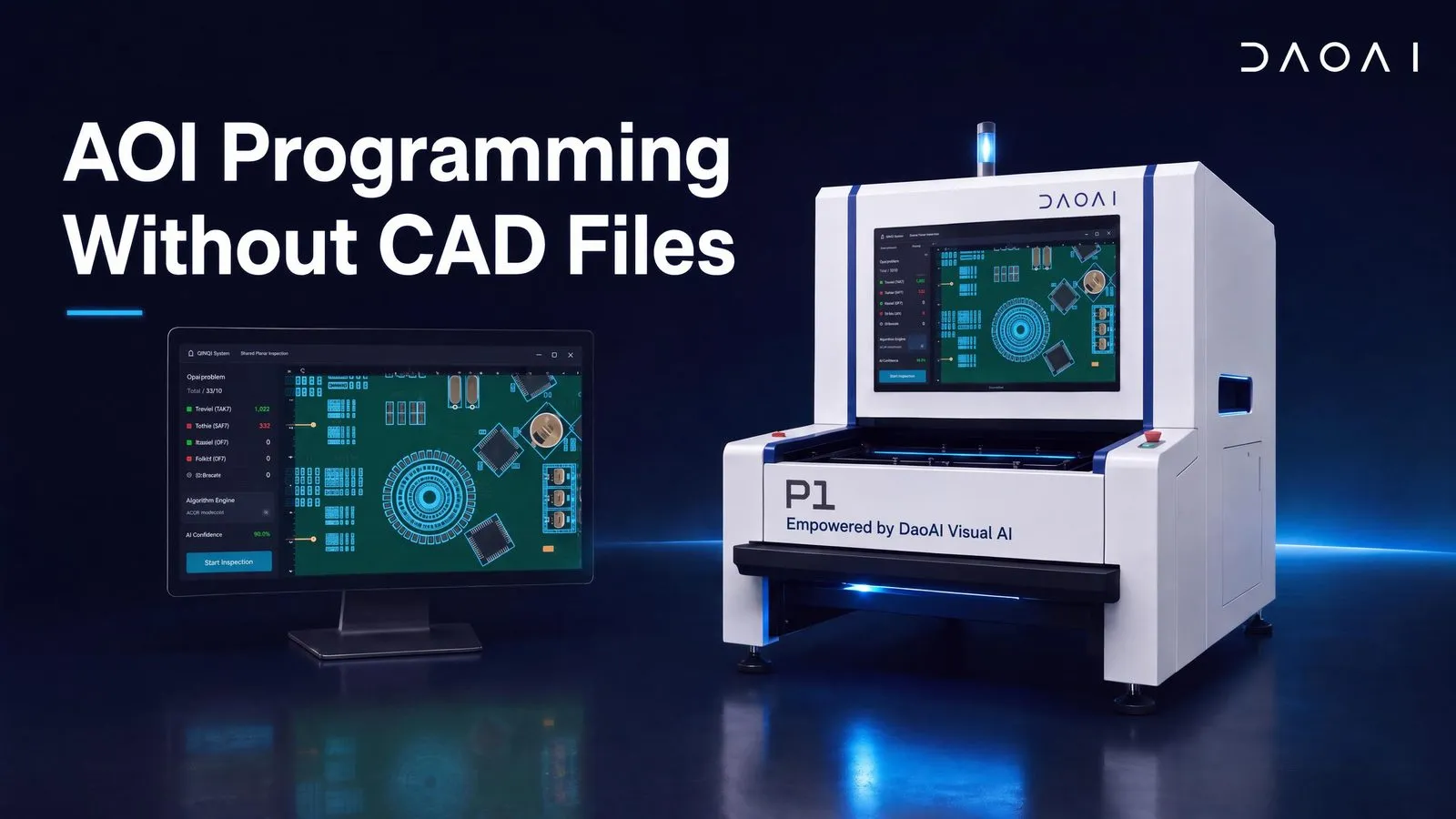
สำหรับกลไกการทำงาน โปรดดูที่ การเขียนโปรแกรม AOI โดยไม่ใช้ไฟล์ CAD ส่วน ฟีเจอร์เขียนโปรแกรมอัตโนมัติของ DaoAI จะอธิบายถึงขีดความสามารถของผลิตภัณฑ์ ควรยืนยันความเหมาะสมกับงานประกอบของคุณและความครอบคลุมการตรวจสอบที่ต้องการในระหว่างการประเมินชิ้นงาน
ขอให้มีการสาธิตที่รวมขั้นตอนการส่งต่องานรอบซอฟต์แวร์ด้วย เตรียมข้อมูลงานประกอบและข้อกำหนดการยอมรับที่ใช้งานจริง สังเกตการสร้างโปรแกรม การตรวจสอบบอร์ดแรก การจัดการ call ที่ไม่แน่ชัด และหลักฐานที่ต้องใช้ในการ release บันทึกงานทั้งหมดที่ทำเสร็จก่อนที่การสาธิตจะเริ่มต้นขึ้น
การประหยัดแรงงานของวิศวกรยังคงเป็นประโยชน์ แม้เวลาการรีสตาร์ตสายการผลิตโดยรวมจะไม่เปลี่ยนแปลงก็ตาม ให้รายงานผลลัพธ์ด้านแรงงานเป็นเรื่องของแรงงาน และจะระบุว่าได้เวลาการผลิตกลับคืนมาก็ต่อเมื่อช่วงว่างของการผลิตที่วัดได้สั้นลงภายใต้เงื่อนไขที่เทียบเคียงกันได้เท่านั้น
บันทึกเวลาของแต่ละเหตุการณ์และสาเหตุของการรอคอยจากการ changeover จริงหลายๆ ครั้ง จากนั้นเปรียบเทียบงานประเภทเดียวกัน มองหากิจกรรมที่เป็นอุปสรรคต่อการเริ่มต้นขั้นตอนถัดไปอย่างต่อเนื่อง จัดลำดับความสำคัญของความล่าช้านั้นก่อนที่จะไปปรับปรุงงานที่ทำคู่ขนานเสร็จไปแล้ว แยกผลลัพธ์ของแรงงานวิศวกรรม ความพร้อมของ AOI และการรีสตาร์ตสายการผลิตออกจากกัน เพื่อไม่ให้นับผลการปรับปรุงที่ทับซ้อนกันซ้ำสอง
คัดลอกเวิร์กชีตนี้ลงในบันทึกประจำกะ และกรอกข้อมูลด้วยเวลาที่สังเกตได้จริง ไม่ใช่ตัวเลขประมาณการจากโบรชัวร์
| เหตุการณ์ | เวลาที่เกิดขึ้นจริง | หลักฐานหรือเหตุผลที่ต้องบันทึก |
|---|---|---|
| เริ่มเตรียมงานใหม่ | รอการบันทึก | Revision ของงานประกอบ ประเภทงาน และผู้รับผิดชอบการเตรียมการ |
| บอร์ดดีชิ้นสุดท้ายของงานเดิมออกจาก AOI | รอการบันทึก | เหตุการณ์เริ่มต้นในระดับสถานีที่ตกลงกันไว้ |
| การกำหนดค่าของงานใหม่พร้อมสำหรับบอร์ดแรก | รอการบันทึก | เวอร์ชันของโปรแกรมที่โหลดและการตรวจสอบการตั้งค่าที่เสร็จสมบูรณ์ |
| บอร์ดแรกของงานใหม่มาถึง AOI | รอการบันทึก | รหัสบอร์ด และสาเหตุการรอคอยจากกระบวนการก่อนหน้า (ถ้ามี) |
| การตรวจสอบและการรีวิวที่จำเป็นเสร็จสิ้น | รอการบันทึก | รายการ call การตัดสินผล และการแก้ไขโปรแกรมทั้งหมด |
| งานใหม่ได้รับอนุมัติให้เดินสายการผลิต | รอการบันทึก | ผู้รับผิดชอบการ release และบันทึกหลักฐาน |
| สายการผลิตกลับมาเดินเครื่องตามแผนจริง | รอการบันทึก | การหยุดรอที่ยังค้างอยู่หลังจากการอนุมัติ |
บันทึกเวลาลงมือทำจริง (hands on) เป็นนาทีสำหรับแต่ละบทบาทควบคู่ไปกับเหตุการณ์เหล่านี้ เวลาตามนาฬิกาบอกระยะเวลาที่ผ่านไป แต่การที่มีหลายคนทำงานพร้อมกันจะทำให้ช่วงเวลาทำงานซ้อนทับกัน การบวกช่วงเวลาเหล่านั้นเข้าด้วยกันไม่ได้บอกว่าสายการผลิตหยุดไปนานเท่าใด
ลองพิจารณาการ changeover ที่ AOI พร้อมก่อนที่บอร์ดแรกจะออกจากเตา reflow การเตรียมการเสร็จเร็วขึ้นไม่ได้ช่วยให้บอร์ดมาถึงเร็วขึ้นด้วยตัวมันเอง หากการรีวิวต้องล่าช้าเพราะผู้มีอำนาจ release ติดงานอื่น การจัดคนมาดูแลเรื่องการรีวิวอาจส่งผลต่อเวลารีสตาร์ตเครื่องมากกว่าการเร่งความเร็วในการทำโปรแกรมเสียอีก
ใช้หลักคิดเดียวกันนี้เมื่อรายงานผลการปรับปรุง การสร้างโปรแกรมที่เร็วขึ้นและการรีวิวบอร์ดแรกที่สั้นลงอาจไปซ้อนทับกับงานส่วนอื่น ให้ตรวจสอบเวลาที่ release และเวลารีสตาร์ตจริงในขั้นตอนสุดท้าย แทนที่จะนำเวลาที่ประหยัดได้เฉพาะจุดมารวมกันทั้งหมด
ทบทวนบันทึกโดยแบ่งตามงานผลิตซ้ำ การปรับ revision และงานผลิตครั้งแรก เลือกสาเหตุที่เกิดขึ้นซ้ำๆ มาหนึ่งรายการ มอบหมายผู้รับผิดชอบ และเปรียบเทียบกับงานประเภทเดียวกันในรอบถัดไปโดยใช้คำนิยามจุดเริ่มต้นและจุดสิ้นสุดเดียวกัน คงเกณฑ์การตรวจสอบและการ release ที่จำเป็นไว้เช่นเดิม หรือระบุเหตุผลอย่างชัดเจนหากมีการเปลี่ยนแปลงเกณฑ์
เป้าหมายการ changeover ที่เหมาะสมขึ้นอยู่กับชุดประกอบ ประเภทของงานใหม่ และขั้นตอนการ release ที่กำหนดไว้ คำถามด้านล่างนี้ช่วยชี้แจงขอบเขตของการวัดผลในคู่มือนี้ โดยไม่ได้เป็นการกำหนดเกณฑ์การยอมรับสากล หรืออนุญาตให้ละเว้นขั้นตอนการ qualification ความครอบคลุมของการตรวจสอบ หรือการรีวิวในแผนคุณภาพของโรงงาน
ไม่มีระยะเวลาตายตัวที่เหมาะกับทุกชุดประกอบหรือทุกโรงงาน ควรกำหนดเกณฑ์มาตรฐาน (baseline) สำหรับงานผลิตซ้ำ งานแก้ไข revision และงานผลิตครั้งแรกที่เทียบเคียงกันได้ โดยใช้เหตุการณ์เริ่มต้นและสิ้นสุดที่สอดคล้องกัน จากนั้นตั้งเป้าหมายการปรับปรุงเทียบกับเกณฑ์ดังกล่าว พร้อมรักษาเกณฑ์การตรวจสอบและการ release ตามที่กำหนดไว้
ไม่จำเป็น ชิ้นงานผลิตซ้ำที่ไม่มีการเปลี่ยนแปลงสามารถใช้โปรแกรมเดิมที่เคย release ไว้แล้วได้ หลังจากตรวจสอบรหัสและการตั้งค่าที่เกี่ยวข้องแล้ว ส่วนงานที่มีการแก้ไข revision การเปลี่ยนอุปกรณ์ที่ได้รับอนุมัติ หรืองานประกอบใหม่ จำเป็นต้องมีการประเมินผลกระทบเพื่อกำหนดการเปลี่ยนแปลงของโปรแกรมและการทวนสอบที่จำเป็น
ไม่เหมือนกัน การเขียนโปรแกรมแบบออฟไลน์หมายถึงการเตรียมโปรแกรมตรวจสอบแยกต่างหากจากงานตรวจสอบในสายการผลิต ในกรณีที่ระบบรองรับ ส่วนเครื่อง AOI แบบออฟไลน์หมายถึงสถานีเครื่องจักรที่ตั้งอยู่นอกสายพานลำเลียง คำหนึ่งอธิบายถึงกระบวนการทำงานของซอฟต์แวร์ ส่วนอีกคำอธิบายถึงรูปแบบการจัดวางอุปกรณ์
ไม่ใช่ เวลาการเขียนโปรแกรมตามที่ DaoAI รายงานครอบคลุมกระบวนการตั้งแต่บอร์ดอ้างอิงไปจนถึงการเริ่มตรวจสอบ ไม่ได้รวมถึงระยะเวลาของการตั้งค่าเชิงกล การเตรียมงานจากกระบวนการก่อนหน้า การรีวิวบอร์ดแรก การรับรองคุณสมบัติ (qualification) หรือการอนุมัติการผลิต กิจกรรมเหล่านี้ต้องวัดผลแยกต่างหาก
ไม่ได้ การตรวจเช็กตอนเริ่มต้นเป็นการยืนยันงานใหม่เทียบกับข้อกำหนดการ release ส่วนการ qualification เป็นการสร้างหลักฐานยืนยันว่าการกำหนดค่าการตรวจสอบนั้นเหมาะสมกับการใช้งานจริง การตรวจบอร์ดแรกเพียงอย่างเดียวไม่สามารถพิสูจน์การตรวจจับของเสียที่ไม่มีอยู่บนบอร์ดนั้น หรือสร้างความเชื่อมั่นในความเสถียรของการตรวจซ้ำในระยะยาวได้
สำหรับการประเมินชิ้นงานกับ DaoAI กรุณานำตัวอย่างชุดประกอบจริง เอกสาร revision และข้อกำหนดการตรวจสอบที่คุณต้องการมาด้วย ใช้เวิร์กชีตนี้เพื่อตกลงร่วมกันในสิ่งที่จะวัดผล ข้อมูลผลิตภัณฑ์สามารถดูได้ใน เอกสารดาวน์โหลดโบรชัวร์และข้อมูลจำเพาะของ DaoAI
AOI False Call แบบไหนที่จูนแก้ได้ แบบไหนที่ติดอยู่ใต้ระดับ Threshold และวิธีแยกความแตกต่างให้ออก ก่อนที่คุณจะต้องเสียค่าใช้จ่ายกับชั่วโมงปรับจูนเพิ่มอีกรอบ
28 กรกฎาคม 2569
ไม่ต้องใช้ไฟล์ CAD ไม่ต้องมีไลบรารีชิ้นส่วน — การเขียนโปรแกรม AI ด้วย golden-board ทำงานจริงอย่างไรทีละขั้นตอน พร้อมการเปรียบเทียบกับเวิร์กโฟลว์ AOI แบบดั้งเดิมที่ใช้เวลา 3–5 ชั่วโมง
21 กรกฎาคม 2569
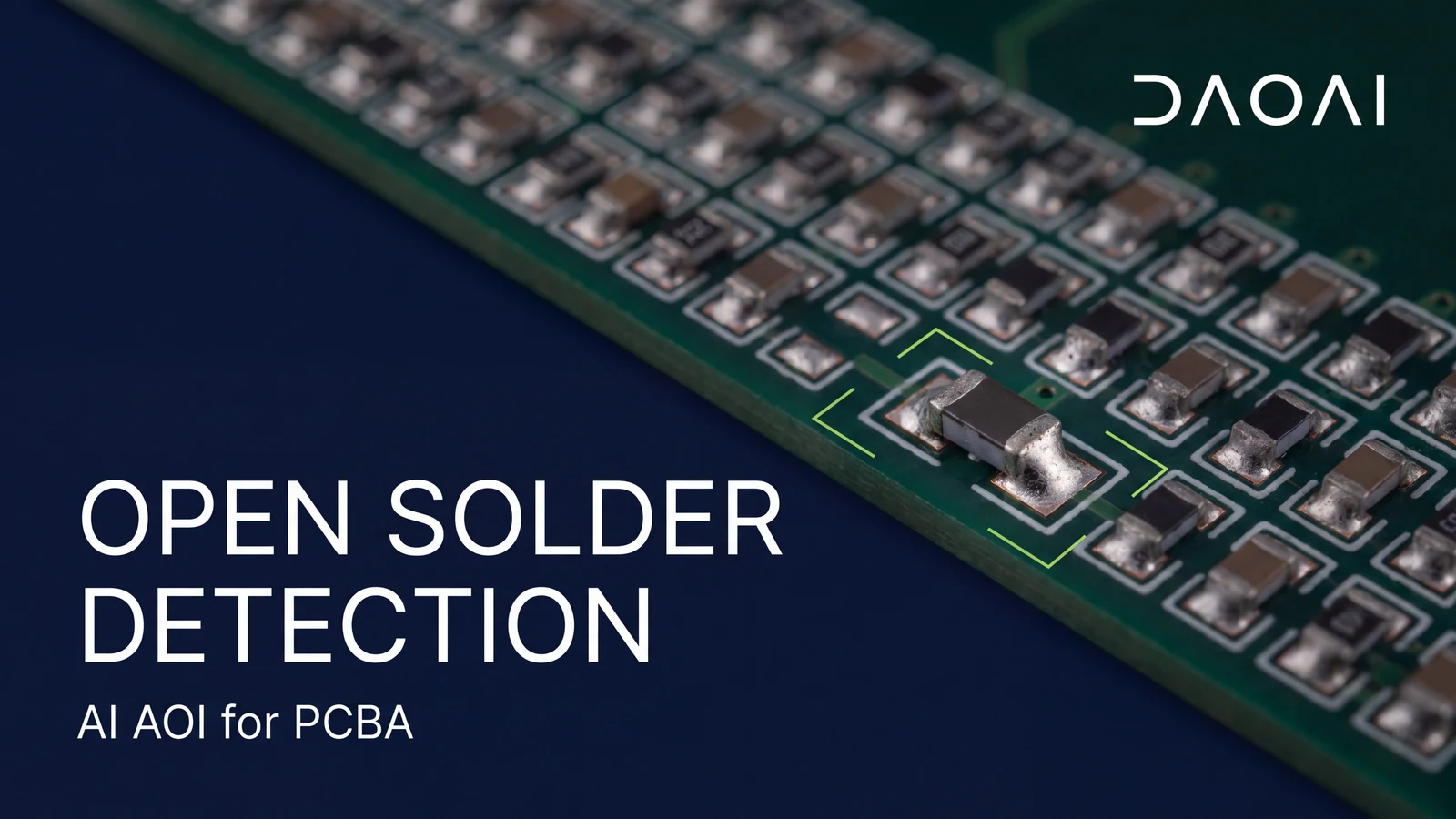
ดูวิธีที่ AOI ตรวจจับจุดบัดกรีเปิดที่มองเห็นได้ จุดที่ Color Threshold แบบคงที่ทำงานได้ยาก และวิธีที่โมเดล 2D แบบ Pretrained จัดการกับเคสทั่วไปและกรณีพิเศษ
17 กันยายน 2569
ข้อมูลเชิงลึกด้านการตรวจสอบด้วย AI ข่าวผลิตภัณฑ์ และบทวิเคราะห์อุตสาหกรรม เดือนละครั้ง เน้นสาระ
เราใช้ข้อมูลของคุณเพื่อตอบกลับข้อซักถามของคุณ ดูนโยบายความเป็นส่วนตัวของเรา